|
|
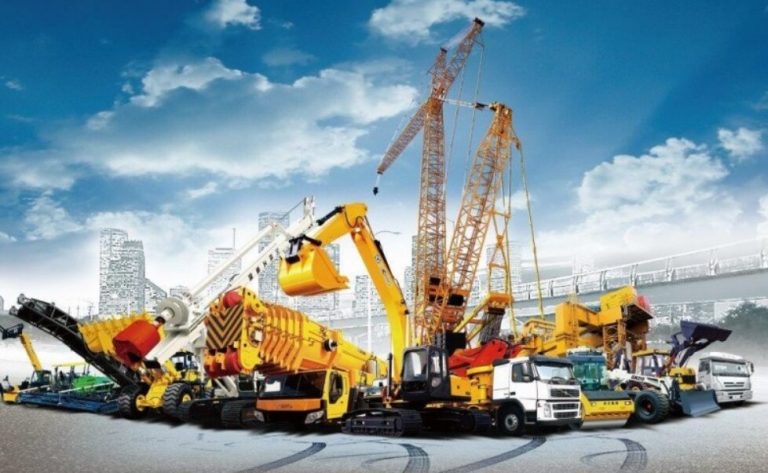
In the modern construction industry, machines such as excavators, cranes, pile drilling machines, concrete mixers, tower cranes, and many other construction devices play an essential role in improving productivity and construction efficiency. A common characteristic of many of these machines is that they contain continuously rotating components used for tasks such as digging soil, lifting materials, or rotating the operator’s cabin.
To ensure that these rotating parts can still transmit electrical power, control signals, and sensor data continuously, electromechanical engineers use an important device called an electrical slip ring.
A slip ring allows construction equipment to rotate continuously up to 360° without twisting electrical cables, ensuring stable system operation and safe performance during construction. In heavy equipment such as excavators, the rotating upper structure (including the cabin, boom, and arm) can rotate around the base to perform digging, lifting, and material handling tasks efficiently.
|
|
Slip rings are capable of meeting the demanding technical requirements of construction equipment, ensuring reliable operation even in harsh working environments.
Resistance to vibration and shock:
Construction machinery is frequently exposed to strong vibrations and mechanical impacts. Therefore, slip rings must feature a robust mechanical design to ensure durability and stable performance.
Dustproof and waterproof protection:
Construction sites often contain dust, mud, water, and hydraulic oil. For this reason, slip rings require a high IP protection rating to maintain reliable operation under such conditions.
Wide operating temperature range:
Construction equipment typically operates outdoors where temperatures can vary significantly. Slip rings must therefore be able to withstand both high and low temperature environments.
Long service life:
Construction machines usually operate for extended periods. As a result, slip rings must provide a long service life and require minimal maintenance to reduce operating costs.
|
 |

|
Slip rings are widely used in various types of construction machinery thanks to their ability to transmit electrical power and signals between stationary and rotating parts, enabling equipment to operate more flexibly and reliably.
Excavators
In excavators, slip rings are typically installed at the central rotating shaft to transmit power and control signals between the undercarriage and the rotating cabin. This allows the machine to rotate 360° continuously without twisting electrical cables, ensuring stable operation of the control system and electronic components.
Cranes and Tower Cranes
For cranes and tower cranes, slip rings play an important role in transmitting electrical power to motors, control signals, and safety sensor data during rotation. This allows cranes to move and position materials flexibly across different areas of the construction site.
Pile Drilling Machines and Foundation Equipment
In pile drilling machines, slip rings transmit power to the drilling motor as well as control signals, ensuring that drilling operations are carried out accurately and efficiently.
Concrete Mixers and Rotating Equipment
Some other rotating equipment used in construction, such as concrete mixers, also utilize slip rings to supply electrical power to the rotating parts, allowing the equipment to operate continuously and efficiently.
|


